Permanent makeup for eyebrows, lips, or an interlash line are well-known procedures that most of us have tried at least once in our lives. But what about a tattoo on the cheekbones? In my environment, no one has decided to try it yet, although this procedure has existed for quite some time. It is a new level of permanent makeup artistry that is definitely worth exploring in more detail.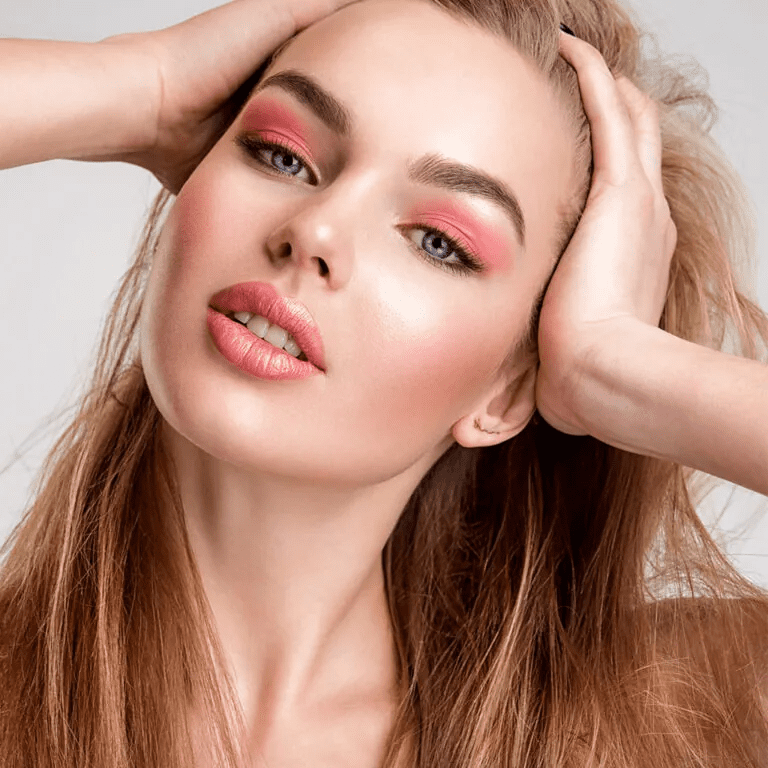
What Is Cheek Tattooing and How Is the Procedure Performed?
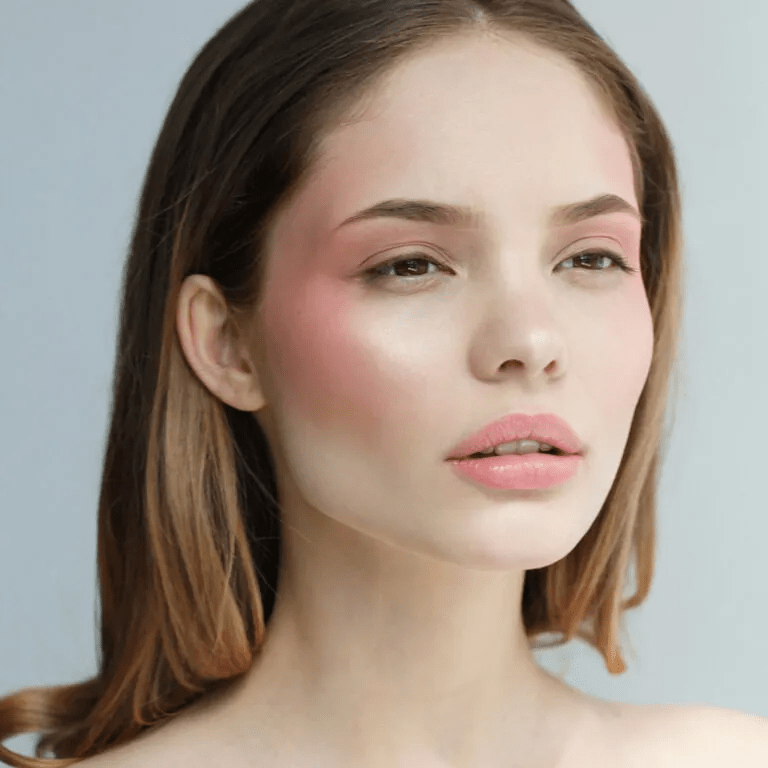
Imagine this: you never have to contour your face again! You look flawless in every situation, and this is the main advantage that has made blush tattooing so popular among women around the world. Like any procedure that involves breaking the skin’s integrity, cheekbone tattooing requires precision and attention to detail.
The choice of specialist plays a key role. A tattoo that imitates natural blush — although it may sound unusual — should only be entrusted to an experienced professional. The final result depends on this choice. The technique is extremely demanding, requiring maximum precision and a deep understanding of working with the delicate skin of the cheeks.
The effect of natural rosy cheeks is achieved through watercolor shading techniques. The specialist selects the appropriate shade according to your skin tone, determines the shape and placement of the pigment. The blush should subtly enhance your beauty, highlight facial features, and conceal minor imperfections.
It must be admitted that this topic attracts attention. A noble pale complexion has its own charm, but looking rested and fresh is usually much more appealing than appearing tired and sleep-deprived — regardless of the circumstances.
How Does the Procedure Work?
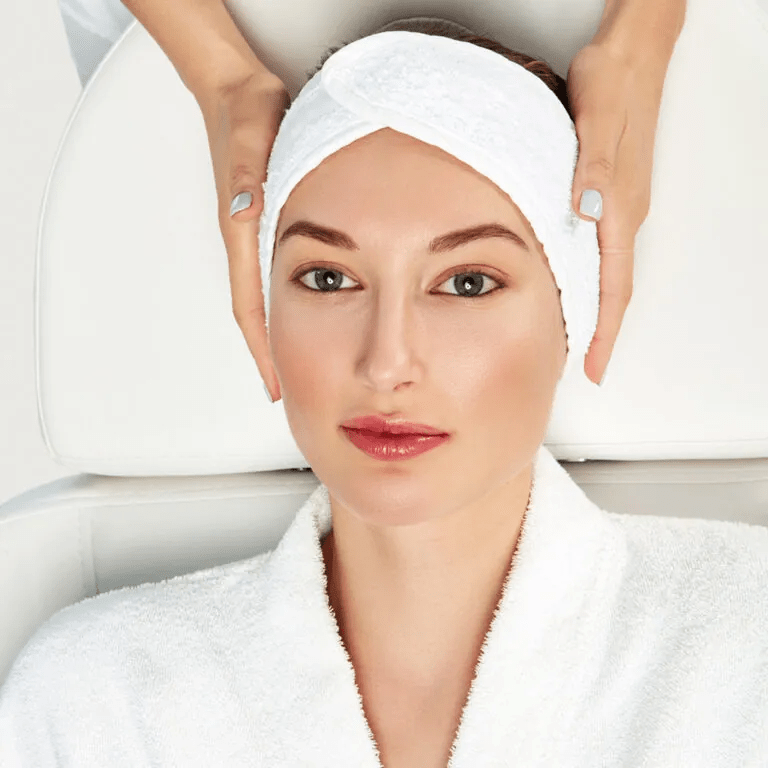
Once you have chosen a specialist and scheduled your appointment, proper preparation is important. To ensure that the procedure and recovery period go smoothly without complications, and that the result lasts as long as possible, it is recommended to avoid alcohol, coffee, and blood-thinning medications for 48 hours before the procedure.
The procedure itself takes approximately three hours. First, the permanent makeup artist creates a sketch using a marker — at this stage, you discuss together how and where the pigment should be placed to achieve a natural and aesthetically pleasing effect. Only after approving the design can the actual work begin.
The choice of shade depends on your expectations. If the goal is to sculpt the face shape, darker pigments are used, while warmer tones are selected to create a fresh and youthful appearance. The application area is also adjusted according to your facial structure and individual beauty features. An experienced specialist can recognize all the nuances and knows exactly how to place the pigment so that the blush looks as natural as possible.
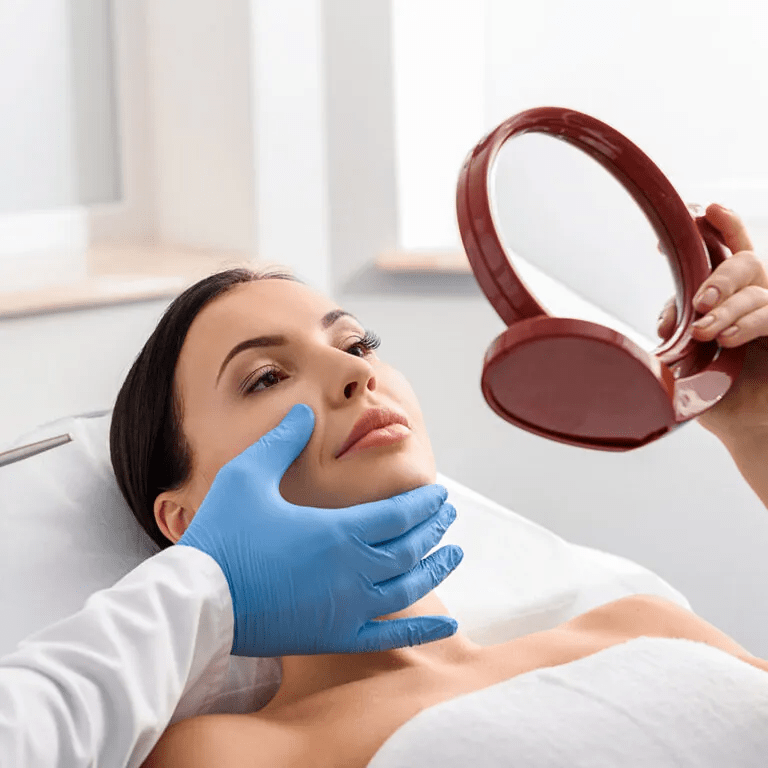
The procedure is performed only on smooth skin without acne breakouts or inflammation. Therefore, if an unwanted blemish appears on your cheek shortly before your appointment, you should treat it first and only then consider blush tattooing.
The watercolor technique is a true art form. Applying pigment is more similar to creating a painting than traditional makeup. The specialist’s movements are smooth, gentle, and almost imperceptible on the skin. To achieve a spectacular effect, the permanent makeup artist gradually changes shades during the procedure, transitioning from lighter to more saturated tones.
If you have ever had permanent makeup before, you know that immediately after the procedure the color may appear very intense. Do not worry or panic! You will not look like a cartoon character forever. This is only a temporary stage — the color intensity gradually decreases as the skin heals. After approximately two weeks, you will see the actual final result.
Advantages of Cheek Tattooing
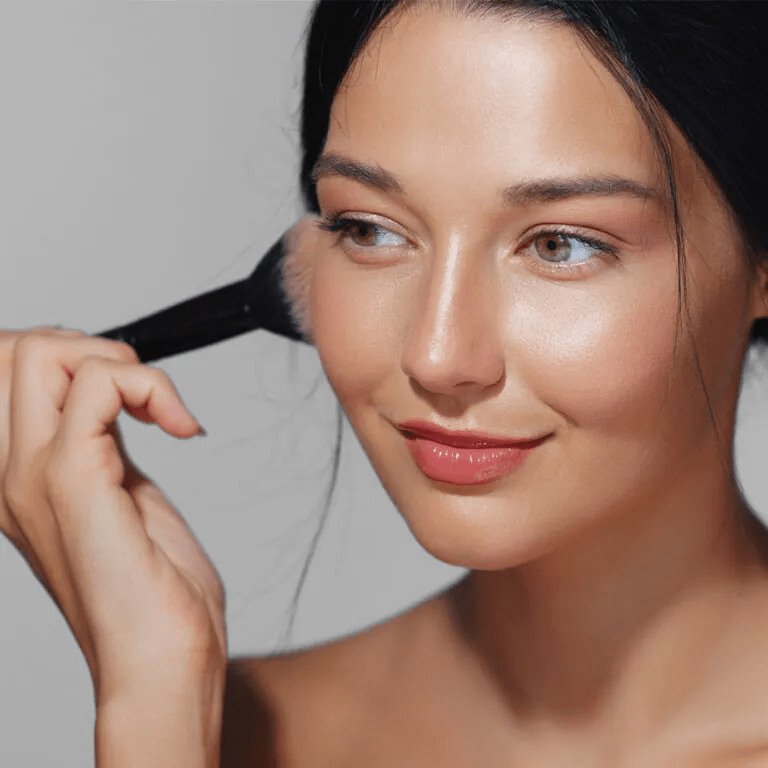
Why enhance the cheekbones with pigment? This type of procedure has several advantages that can be considered completely justified:
- Improved appearance — a naturally rosy complexion regardless of what is happening around you;
- Correction of facial contours and visual improvement of proportions;
- The ability to hide signs of skin aging;
- A long-lasting effect (from one to three years, depending on pigment quality and individual skin characteristics).
By reducing the need for cosmetic products, you allow your skin to “breathe,” and your pores no longer have to deal with constant contamination. Facial contouring products can significantly affect skin quality, requiring regular exfoliation and scrubs to keep the skin healthy. Facial tattooing does not clog pores, and the pigment material does not typically cause allergic reactions.
Possible Disadvantages
Every cosmetic procedure, whether invasive or non-invasive, should be performed according to specific protocols, rules, and requirements. Cheek tattooing is no exception, which is why it is important not to save money, approach the procedure responsibly, and avoid making careless decisions. The specialist’s skills determine the final result and your appearance.
A mistake can lead to unpleasant consequences that may require significant time, effort, and emotional resources to correct. An inexperienced specialist or improperly performed procedure can result in:
- Changes in facial contours, visual distortions, and asymmetry;
- An incorrectly selected shade that creates an unnatural appearance;
- Technical mistakes that make the pigment visibly noticeable;
- Instead of a delicate blush, overly intense circles or other geometric shapes appearing on the cheeks.
The mildest negative outcome is when the body removes the pigment too quickly. In this case, you simply lose time and money, but your appearance remains normal and you do not attract unwanted attention.
Contraindications for Cheek Tattooing
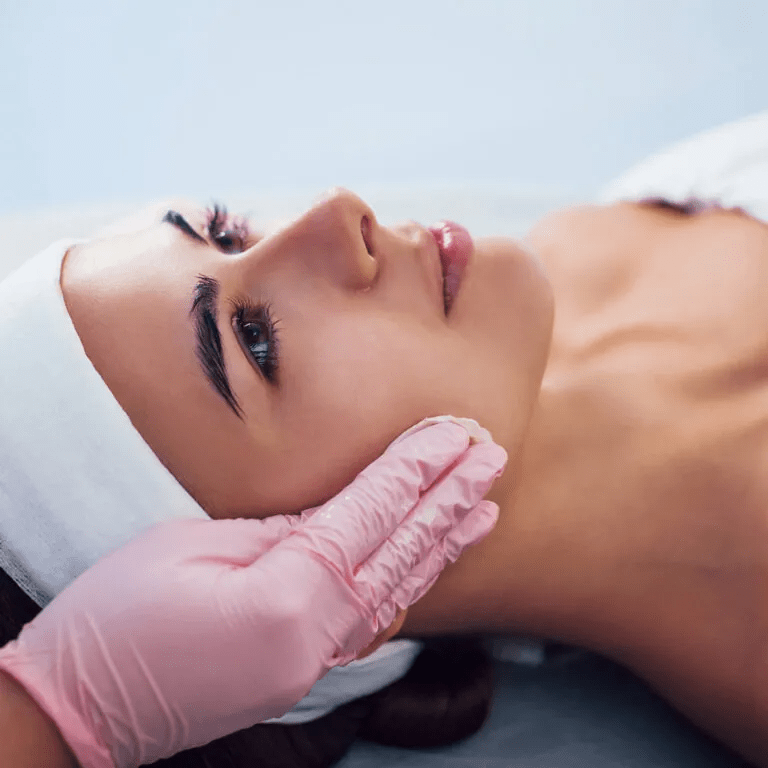
A specialist’s professionalism can often be recognized during the very first consultation. In addition to discussing your expectations and desired result, the specialist will also ask questions about your health condition, as cheek tattooing is contraindicated in several cases:
- Oncological diseases and inflammatory processes in the body;
- Blood clotting disorders;
- Skin conditions (rosacea, acne, and other inflammatory skin problems);
- Pregnancy and breastfeeding period.
The specialist must be completely sure that the procedure and the recovery period will not cause any health or well-being complications for the client.
Recovery Period
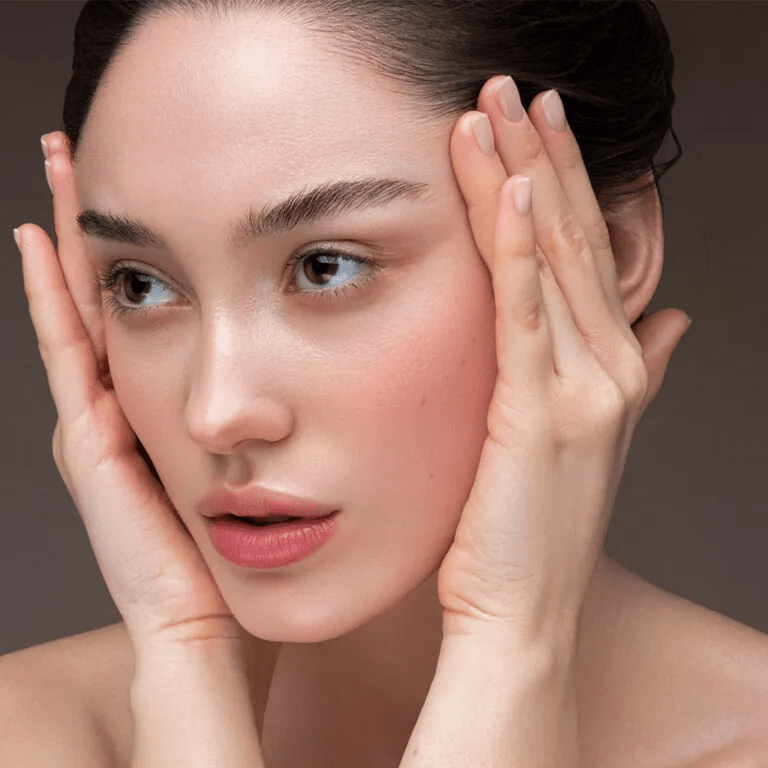
Proper aftercare is essential for achieving the final result. To ensure that the healing process goes smoothly, it is important to follow several recommendations. First of all, proper care should be provided by applying a special regenerating cream to the treated skin three times a day. A cool compress can help reduce swelling and relieve redness. In rare cases, mild discomfort or pain may occur. If necessary, pain-relieving medication may be used.
Until the skin has fully healed (approximately two weeks), certain restrictions must be strictly followed. In particular:
- No saunas, steam baths, tanning beds, or swimming pools;
- Gym workouts are also prohibited;
- It is better to wash your face with boiled water;
- Do not rub your face with a towel — gently pat it dry with a paper towel instead;
- Face masks, exfoliants, and scrubs are also prohibited during the healing period;
- It is also recommended to avoid decorative cosmetics.
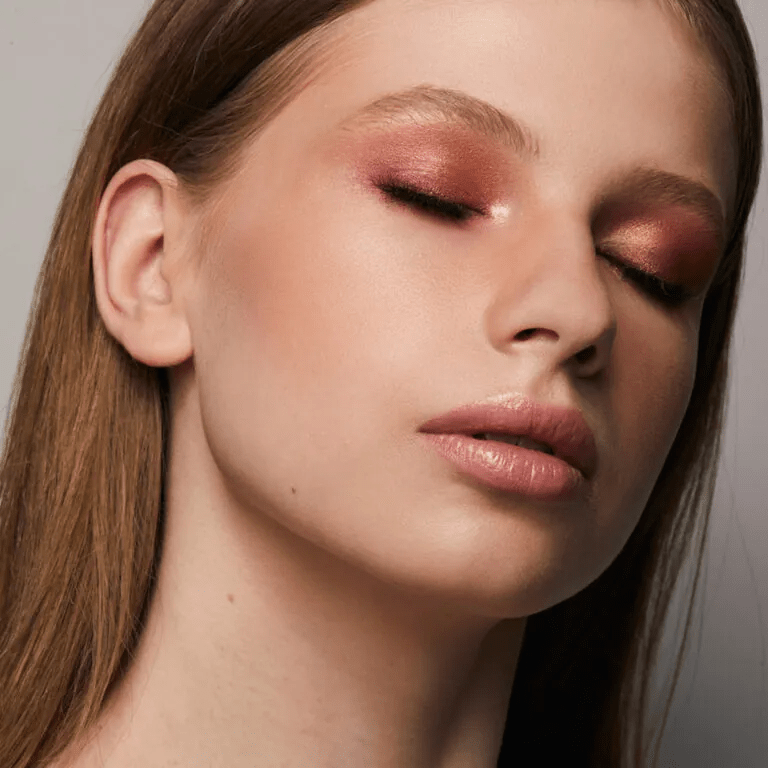
After the procedure, a scab will appear on the cheeks. Do not wet it excessively or remove it manually. The scab must fall off naturally. During the recovery period, the cheeks may peel slightly. Your specialist will recommend a cream that will help the skin heal faster and make the recovery process more comfortable.
Permanent makeup has been one of the biggest beauty trends of recent years. If you want, you can transform your appearance in many different ways. Natural-looking blush without makeup and without wasting time creating it every day can be achieved with pigment and the help of an experienced specialist. The idea is interesting, but it requires careful consideration and a responsible approach.



Write a comment