Well-groomed hands never go out of fashion. Each of us has our own preferences regarding nail shape and polish color. Some women love bold, vibrant shades, while others prefer natural tones or choose not to wear nail polish at all. Japanese manicure has remained a popular trend for several years—a unique technique that combines nail care, regeneration, and aesthetics.
How Does Japanese Manicure Differ from Other Types of Manicure?
Eastern manicure techniques are considered unique and exceptionally gentle. Japanese manicure is not just a cosmetic treatment but a complete beauty ritual that uses only natural ingredients. The primary focus is not on decoration but on comprehensive nail care, regeneration of the nail plate, and hydration of the cuticles. Healthy nails are the foundation of beautiful nails.
Japanese manicures do not involve harsh chemicals such as acrylics, gel polish, or alcohol-based degreasers. Instead, nail care relies on ingredients like seaweed extracts, rice flour, beeswax, and nourishing oils. The result is naturally glossy, smooth nails that are deeply nourished and strengthened. There are no aggressive mechanical procedures, pain, overheating, or discomfort often associated with traditional manicure techniques. The entire treatment is based on gentle care, comfort, and meticulous attention to detail.
Materials Used
A Japanese manicure set consists exclusively of natural ingredients with proven healing properties. Each component has been valued for centuries and carefully selected to provide maximum care for both the nails and the surrounding skin.
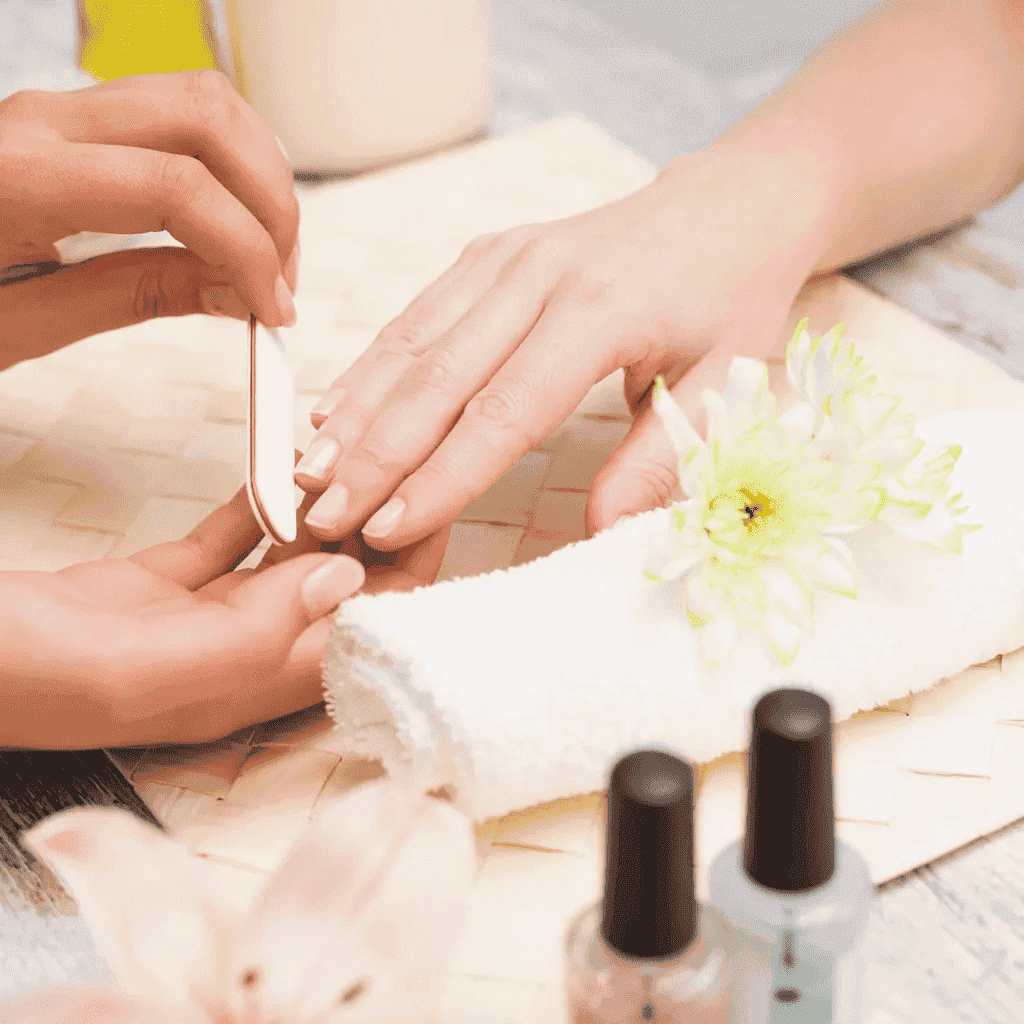
During the treatment, the nail technician does not use electric files, base coats, or top coats, but instead relies on:
- Beeswax – rubbed into the nail to smooth its surface. It fills tiny cracks, creates a protective layer, strengthens the nail, and helps prevent further damage.
- Pearl Powder – used to polish the nail. During polishing, amino acids and minerals nourish the nail plate, making the nails stronger while maintaining their flexibility.
- Rice Paste – cares for both the nail plate and the cuticles. Rice flour gently removes dead skin cells without irritating the skin or causing discomfort. It also smooths and evens out the nail surface.
- Shea Butter and Jojoba Oil – deeply nourish and moisturize. These natural oils penetrate the nail plate, improving its structure while simultaneously regenerating the skin around the nails.
- Silica – used for polishing, rebuilding the nail structure, and adding shine. It forms a protective layer that helps prevent brittleness and splitting.
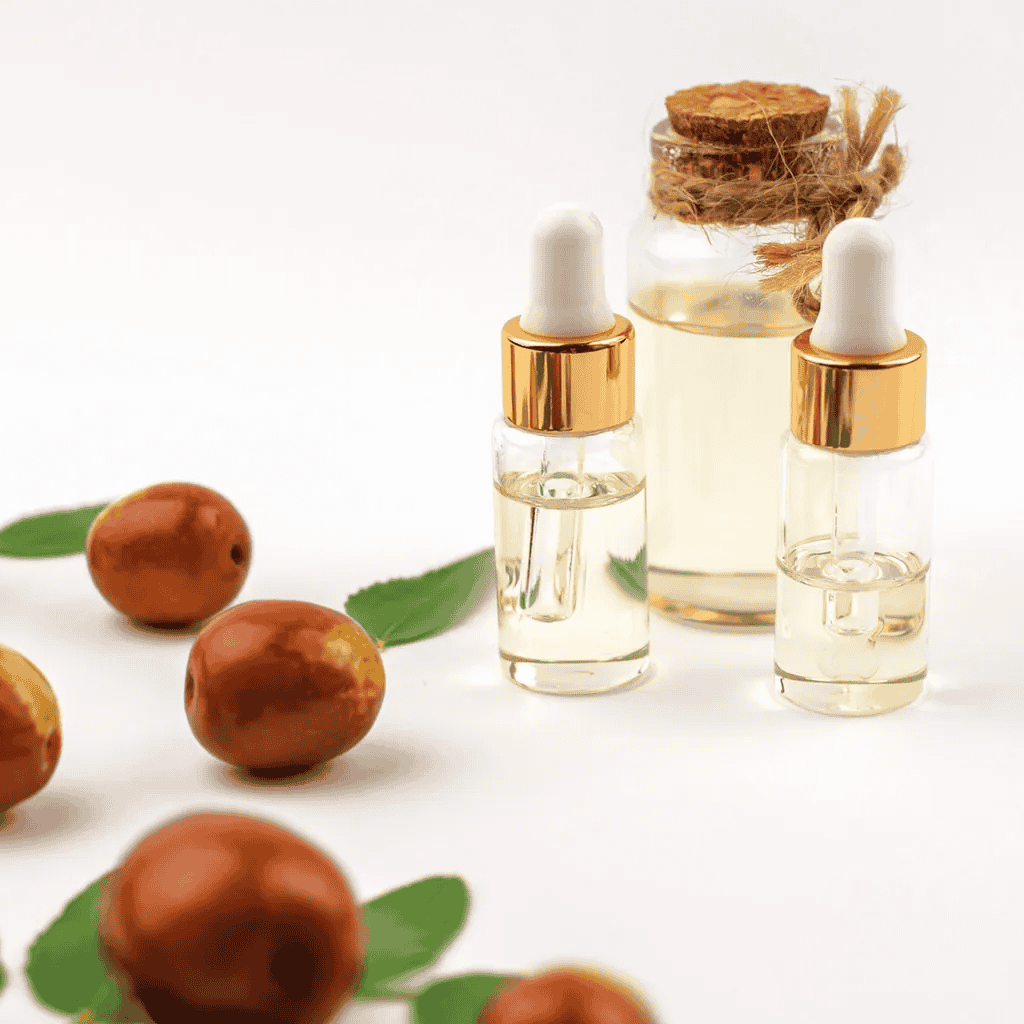
This combination of natural ingredients not only leaves the nails looking well-groomed but also supplies them with essential vitamins and minerals that support long-term nail health.
Advantages and Disadvantages
Like any beauty treatment, Japanese manicure has both advantages and disadvantages. Since no procedure is perfect for everyone, it's worth considering both its strengths and limitations.
Advantages
- Excellent nail and cuticle regeneration – especially beneficial for weak, thin, brittle, split, or dull nails. Regular treatments combined with proper home care can significantly restore nail health.
- Natural ingredients with long-lasting results – the procedure is safe, and the effects can last up to four weeks. People recovering from extensive cosmetic nail treatments are advised to repeat the procedure every three weeks for faster improvement.
- Suitable for everyone – regardless of age or nail condition, Japanese manicure provides effective care and nourishment.
- Ideal after gel polish and acrylic nails – prolonged use of gel or acrylic products often weakens the nail plate. Japanese manicure helps restore strength, natural color, and a healthy appearance without discomfort.
Disadvantages
- Cost – natural ingredients are relatively expensive, so it's advisable to ask about the treatment price beforehand.
- Longer treatment time – every stage is performed manually without electric tools. Those with busy schedules may find the appointment more time-consuming.
- No decorative designs or colors – after a Japanese manicure, the nails remain natural, glossy, smooth, and healthy-looking, but they are not painted.
- Results require consistency – severely damaged nails need regular treatments. Noticeable improvement usually appears after three to four sessions.
Japanese manicure is an investment in healthy, beautiful nails. Achieving the best results requires time and patience. The choice is yours: quick cosmetic results with decorative nail designs at a lower price, or a longer journey toward naturally healthy and regenerated nails.
Japanese Manicure Procedure
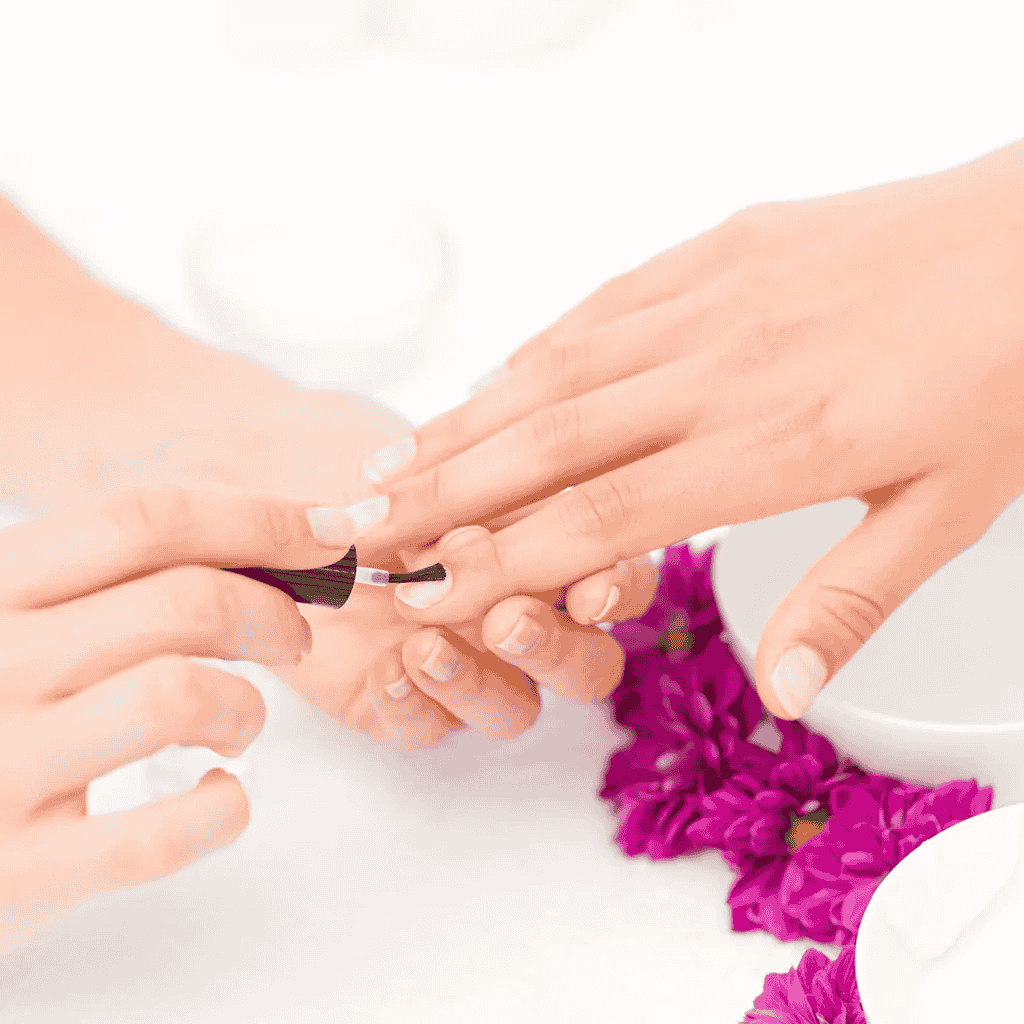
Japanese manicure consists of several carefully performed steps that must follow a specific order. The nail technician should not alter the sequence or technique. Precision, expertise, and professionalism are the keys to achieving the best results.
- Preparing the Nail Plate – any remaining nail polish, dirt, and cosmetic residues are removed using gentle, acetone-free products.
- Polishing – soft buffers and fine-grit files smooth and prepare the nail surface for the nourishing treatment.
- Moisturizing and Nourishing – natural oils, beeswax, pearl powder, and other beneficial ingredients are applied to nourish both the nails and the cuticles.
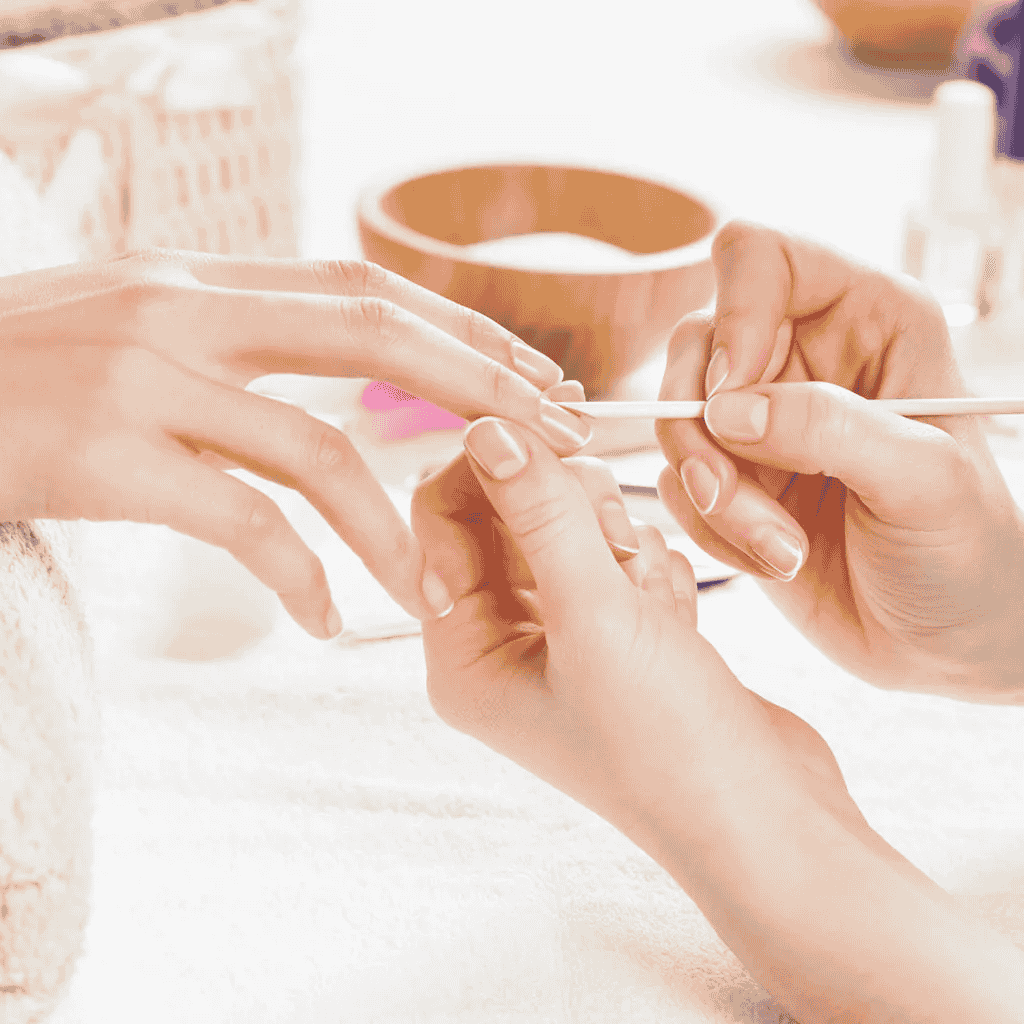
- Cuticle Care – the cuticles are gently pushed back with a wooden stick and trimmed with scissors only if necessary.
- Hand Massage – an essential part of the treatment that improves circulation and helps the active ingredients penetrate the skin more effectively.
Japanese manicure is all about healthy nails, gentle care, and natural beauty. Although it takes more time and costs more than traditional manicure methods, few treatments provide such comprehensive care for your hands. If you're considering giving up gel polish and restoring your natural nails, Japanese manicure is an excellent choice.







Write a comment